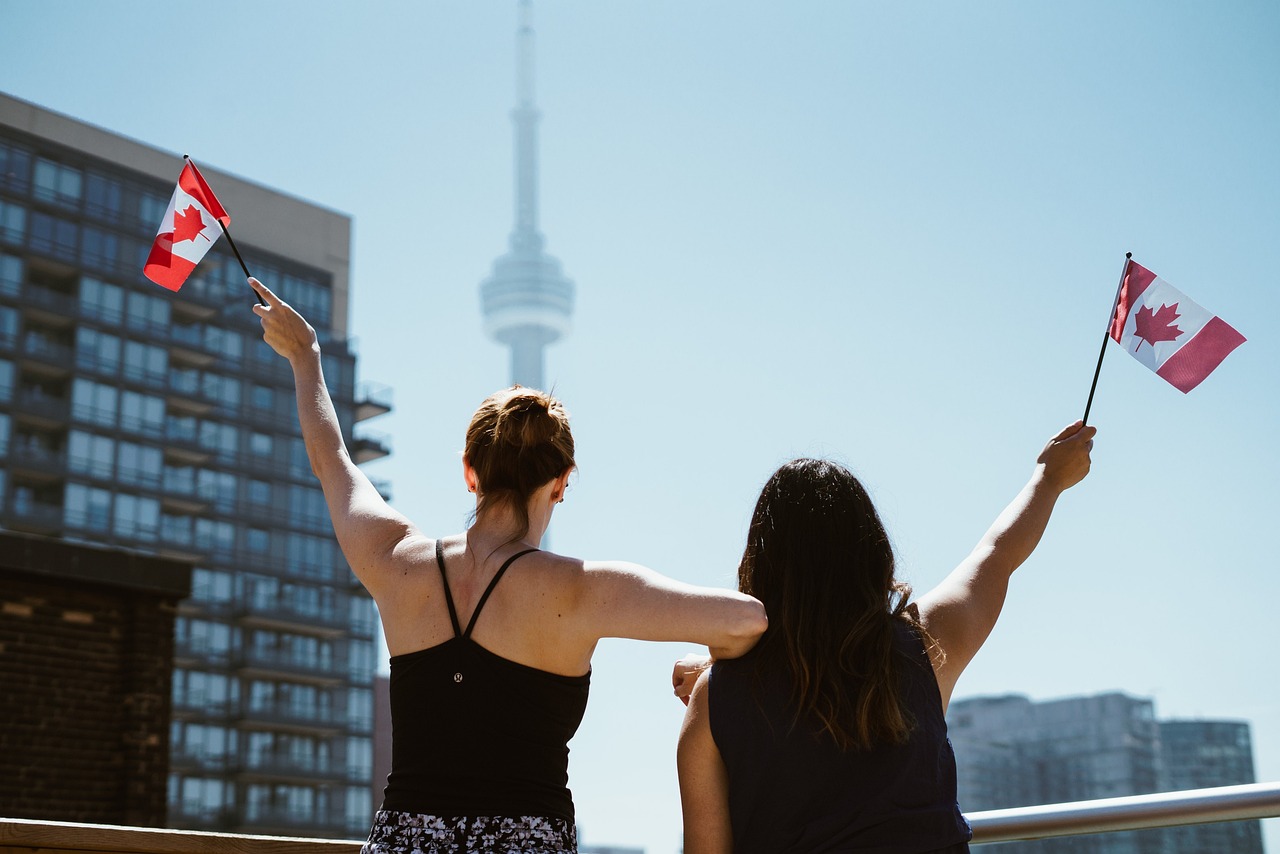
For countless individuals worldwide, the dream of becoming a Canadian citizen represents a significant milestone, offering a blend of stability, opportunity, and a vibrant multicultural society. Navigating the path to Canadian citizenship, however, requires a clear understanding of specific requirements set by Immigration, Refugees and Citizenship Canada (IRCC). Among the most crucial of these is the physical presence rule, often referred to as the "1095-day rule." This cornerstone requirement ensures that applicants have genuinely integrated into Canadian life before pledging allegiance to the nation.
The Cornerstone of Canadian Citizenship: The 1095-Day Physical Presence Rule
At the heart of eligibility for Canadian citizenship for permanent residents is the fundamental requirement to demonstrate a substantial physical connection to Canada. Specifically, applicants must have been physically present in Canada for at least 1,095 days within the five years immediately preceding their application date. This translates to three full years of residency, carefully calculated by IRCC.
The intent behind this rule is clear: to ensure that aspiring citizens have spent a significant amount of time living, working, or studying in Canada, fostering a genuine connection with its communities and values. It’s not just about ticking boxes; it's about demonstrating a commitment to Canadian life. While this rule applies to most adult applicants, it's important to note that children under the age of 18 are generally exempt from this physical presence requirement.
Navigating the Physical Presence Calculation: A Closer Look
Understanding how IRCC calculates these 1,095 days is vital for any prospective applicant. It's not always a straightforward one-day-for-one-day count, especially if you've spent time in Canada under different immigration statuses.
- Permanent Resident Days: The Full Credit
Every day you spend physically present in Canada as a permanent resident (PR) counts as a full day towards the 1,095-day requirement. This is the most direct and impactful way to accumulate the necessary time. Maintaining your permanent resident status throughout this period is paramount. - Temporary Status Days: The Half-Day Advantage
One of the valuable nuances of the physical presence rule is the credit offered for time spent in Canada before becoming a permanent resident. If you resided in Canada as a temporary resident (e.g., as a visitor, international student, or foreign worker) or as a protected person, each day in those statuses counts as half a day towards your 1,095-day total. This credit is capped at a maximum of 365 days. Essentially, this means you can credit up to two years of temporary or protected status as one year towards your citizenship requirement. This provision is particularly beneficial for individuals who have already built a life in Canada before securing their permanent residency. - The Five-Year Window: When Does it Start?
The calculation period always looks back at the five years immediately before your application. If you became a permanent resident less than five years ago, your calculation period begins on the date you officially became a permanent resident. It's crucial to be precise with these dates. - Time Not Counted: Specific Exclusions
Certain periods of physical presence in Canada do not count towards the 1,095-day requirement. Specifically, any time spent serving a sentence in Canada – including time in prison, penitentiary, jail, reformatory, or periods on probation and parole – cannot be counted. IRCC views these periods as not contributing to the positive integration expected of a future citizen.
Practical Tip: Accurate Record-Keeping is Key! To ensure you meet this crucial requirement, we strongly recommend maintaining meticulous records of your travel history. Keep track of all entry and exit dates from Canada, including flight tickets, passport stamps, and any other supporting documentation. Many applicants find it helpful to use a spreadsheet or dedicated app to log their movements, making the calculation process much smoother when it's time to apply.
Beyond Physical Presence: The Expanding Landscape of Canadian Citizenship Eligibility
While the 1095-day physical presence rule remains a cornerstone for permanent residents, the broader landscape of eligibility for Canadian citizenship has recently undergone significant and positive changes. These amendments have opened doors for many who previously faced barriers based on their birth abroad or their parents' citizenship status.
One of the most impactful changes came into effect in December 2023, following a landmark Canadian court ruling that declared the "first-generation rule" unconstitutional. This rule, introduced in 2009, had previously prevented Canadians born abroad from automatically passing their citizenship to their children if those children were also born outside Canada.
Consider the story of Ellen Robillard, a New York State resident whose mother was born in Nova Scotia. When the first-generation rule was in effect, despite her Canadian heritage, Ellen realized her son, also born outside Canada, would not be eligible for Canadian citizenship through her. This forced her to abandon the idea, even amidst political turmoil in the US.
However, with the passage of Bill C-3 of Canada’s Citizenship Act, which reversed this "first-generation" limit, the situation dramatically changed. The amendment has "scrapped the first-generation rule," enabling individuals like Ellen to apply for citizenship for themselves and their children. Now, at 52, Ellen is actively pursuing Canadian citizenship with her 19-year-old son, seeing it as a crucial "Plan B" amidst the ongoing political and social challenges in her home country. Her experience in Nova Scotia, reconnecting with her heritage, reinforced her decision: "The experience of being there was so interesting. I felt like a different person there. It was so much less stressful. Everyone was nicer."
This expansion of Canadian citizenship eligibility means that millions, particularly those with Canadian-born parents or grandparents who were themselves born outside Canada, are now discovering a pathway to citizenship. For more details on these significant changes and who is now eligible, you can read our in-depth articles: Millions of Americans Now Eligible for Canadian Citizenship: What Changed? and First-Generation Rule Scrapped: Expanded Canadian Citizenship Eligibility.
These developments underscore Canada's commitment to a more inclusive citizenship policy, recognizing the inherent right to citizenship through lineage and valuing family connections, regardless of where subsequent generations were born.
Practical Tips for Aspiring Canadian Citizens
Embarking on the journey to Canadian citizenship requires diligence and careful planning. Here are some actionable tips to help you successfully navigate the process:
- Start Tracking Early: Don't wait until you're ready to apply to start calculating your physical presence days. Begin tracking your movements in and out of Canada from the moment you become a permanent resident, or even before if you intend to claim temporary resident credit.
- Gather Supporting Documents: While IRCC primarily uses your travel history from official records, having your own evidence can be beneficial. Keep copies of old passports, entry stamps, plane tickets, bus tickets, or any other proof of your physical presence.
- Understand the Intent to Reside: Beyond the 1095 days, applicants must also demonstrate an "intent to reside" in Canada once they become citizens. While not a strict physical presence test post-citizenship, it's a factor IRCC considers.
- Meet Other Requirements: Remember that physical presence is just one piece of the puzzle. You'll also need to meet language proficiency requirements, pass a citizenship test demonstrating your knowledge of Canada, and potentially attend an interview.
- Seek Professional Guidance: If your situation is complex – for instance, if you have significant travel outside Canada, a history of different statuses, or questions about the "exceptional circumstances" clause – consider consulting with a qualified Canadian immigration lawyer or consultant. Their expertise can be invaluable in ensuring your application is robust and accurate.
- Stay Informed: Citizenship laws and regulations can change. Regularly check the official IRCC website or reputable immigration news sources for the latest updates.
The journey to Canadian citizenship is a rewarding one. It represents not just a legal status, but an embrace of a new identity and a commitment to a diverse and welcoming nation.
Conclusion
The 1095-day physical presence rule is a fundamental pillar of eligibility for Canadian citizenship for permanent residents, designed to ensure a genuine connection to the country. Understanding its nuances, including the calculation of full and half days, and diligent record-keeping, are paramount for a successful application. Coupled with recent positive changes, such as the scrapping of the first-generation rule, Canada continues to refine its citizenship pathways, making the dream of becoming a citizen more attainable for many. By carefully preparing and understanding all requirements, aspiring citizens can confidently navigate the process and look forward to building their future as part of the Canadian mosaic.